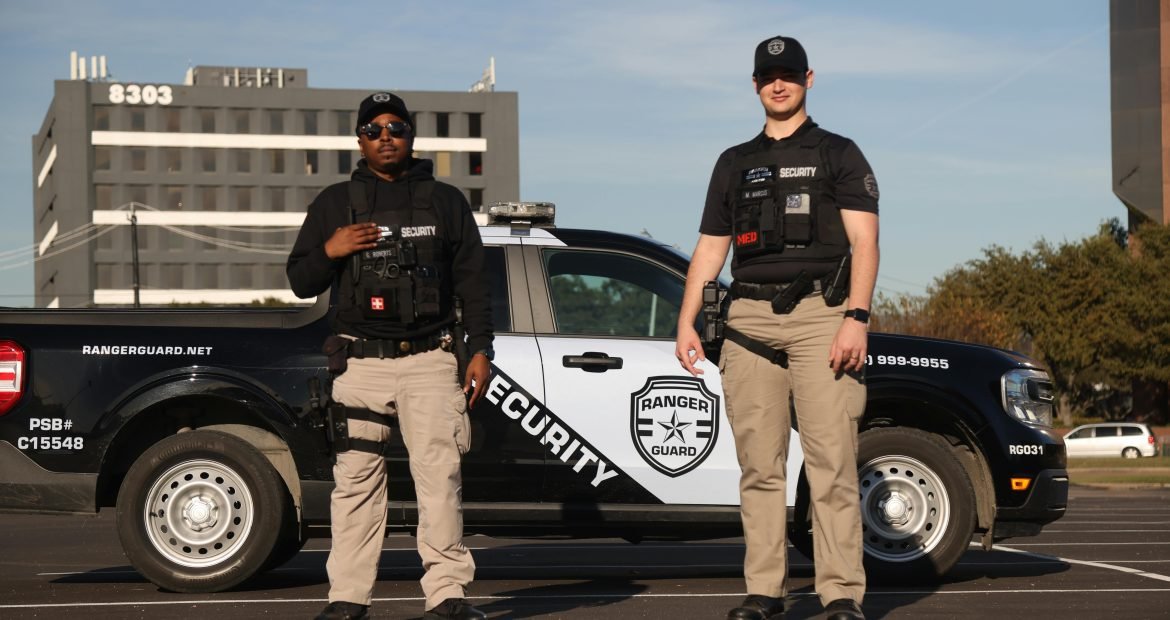
In 2026, protecting a California property involves much more than locking the gates at sunset. As trespassing tactics become more sophisticated, vehicle patrol security services have emerged as the most adaptive way to defend large-scale assets. Whether you are overseeing a massive construction project, a sprawling gated community, or a multi-unit industrial hub, a stationary guard simply cannot be everywhere at once.
Mobile security introduces a level of agility that a “gate guard” lacks. Following the full implementation of SB 652 standards this year, California’s security industry has shifted toward higher accountability and rigorous field training. Modern patrol officers are now tech-integrated responders who provide a “verified presence” that outpaces static cameras. Investing in professional mobile units isn’t just a deterrent—it’s a commitment to real-time intervention that shields your bottom line and your peace of mind.
What are Vehicle Patrol Security Services?
Vehicle patrol security services utilize marked or unmarked security vehicles to perform randomized, systematic inspections of a property. By covering significantly more ground than a guard on foot, mobile patrols offer a high-visibility presence that keeps potential intruders off-balance.
In 2026, professional vehicle patrol security services for commercial and residential properties specialize in:
- Unpredictable Patrol Loops: Breaking the “routine” so criminals cannot time their entry based on guard movements.
- Rapid Alarm Verification: Acting as the first responder when perimeter sensors or fire alarms trigger, providing the “eyes on the ground” many California cities now require before prioritizing police dispatch.
- Asset & Perimeter Checks: Ensuring gates are locked, windows are intact, and high-value materials are undisturbed.
- Digital Audit Trails: Using GPS-tracking and NFC-tagging to offer clients timestamped, unalterable proof of every inspection round.
Why Vehicle Patrol Security Matters for California in 2026
California’s current legal and security climate makes mobile patrols a strategic necessity for property managers. Here is why:
- The SB 652 Mandate: As of January 1, 2026, all California security professionals must meet enhanced de-escalation and “Power to Arrest” standards. A professional patrol firm ensures every driver is 100% compliant, protecting you from vicarious liability.
- Insurance Premium Control: Many 2026 insurance carriers offer reduced rates for properties that can document consistent mobile safety checks, as it drastically lowers the risk of undetected fire, vandalism, or theft.
- Cost-Effective Coverage: For large business parks or HOAs, a single vehicle can perform the work of multiple stationary guards, covering vast acreage efficiently and affordably.
Step-by-Step: Implementing a Mobile Safety Protocol
Securing your site shouldn’t be based on luck. Follow this 2026 protocol for total coverage:
1. Conduct a “Perimeter Vulnerability” Audit
Identify your “blind spots”—the unlit corners, weak fence lines, or rear docks—where a patrol vehicle should spend extra time during each round.
2. Establish “Smart” Checkpoints
Utilize digital NFC tags at high-risk locations. When the officer scans these tags, you receive a real-time notification that the specific zone has been physically inspected.
3. Deploy Randomized Timing
Work with your security partner to ensure patrols occur at different times each night. Unpredictability is the primary enemy of a planned burglary.
Best Practices & Expert Tips
- Prioritize High-Visibility Graphics: Marked vehicles with amber lighting provide a powerful psychological barrier that often stops a crime before the first trespass occurs.
- Require 360-Degree Dash-Cams: Ensure your patrol fleet is equipped with active recording. This provides critical evidence for insurance claims and legal proceedings.
- Regularly Update “Post Orders”: As your property changes—whether through a new construction phase or a change in tenants—your patrol route should be updated to reflect the new high-value zones.
Common Mistakes to Avoid
- The “Low-Bid” Liability: If a company quotes under $30/hour in 2026, they likely aren’t paying for mandated SB 652 training or proper vehicle maintenance. This puts your property at risk.
- Patterned Routing: If your patrol driver stops for coffee at 2:00 AM every night, criminals will notice the gap. Demand strictly randomized routing.
- Over-Reliance on Lights: A vehicle patrol is most effective when paired with adequate site lighting. Ensure your patrol officer can clearly see into the shadows they are protecting.
FAQs (Short, Direct Answers)
How many patrols does my property need per night?
For standard commercial sites, 3 to 5 randomized “hits” are the baseline. High-risk or active construction sites typically require a dedicated on-site vehicle for 24/7 coverage.
What is the SB 652 requirement for drivers?
Every driver must hold a valid CA Guard Card and have completed the 2026-mandated “Power to Arrest and Appropriate Use of Force” curriculum through a state-certified provider.
Can a mobile patrol guard actually detain a suspect?
Yes. Using their “Power to Arrest” authority, a trained security professional can legally detain a suspect on your property until local law enforcement arrives to take over.
Final Thoughts: Protect Your Assets with Nobel Guard
In 2026, effective security is about staying ahead of the threat, not just reacting to it. By choosing vehicle patrol security services, you are deploying a dynamic defense that adapts to your property’s needs in real-time. Whether you are managing a residential neighborhood or a massive logistics center, mobile security is the key to minimizing loss and maximizing safety.
Ready to harden your property’s defenses?
Call Now: 619-599-2797 for an immediate mobile security consultation.